

Free Consultations 301-762-7500

Clarksburg DUI Lawyers
Attorneys Helping Defend Against DUI Charges in Clarksburg, Maryland
In Clarksburg, police officers patrol roads such as Frederick Road, Stringtown Road, and Interstate 270, watching for drivers who may be intoxicated. A driver who had a glass of wine with dinner, used marijuana at some point during the day, or is taking a prescription medication could be pulled over, asked questions about their use of alcohol or drugs, and asked to take tests that will gauge their level of intoxication. When these situations lead to arrests for DUI, drivers will need to understand their options for defense.
At the Law Offices of Mallon Snyder, we represent people who have been charged with driving under the influence (DUI) or driving while impaired (DWI) in Clarksburg and the surrounding areas. Our lawyers understand the science behind alcohol and drug testing, and we will provide every client with honest guidance and dedicated representation as we fight to achieve positive results in these cases.
Our focus is on making sure our clients will be fully prepared for what may happen during their cases. We will help them understand how matters will be handled when they go to court so that they will be ready when they enter the courtroom. In addition to explaining what questions will be asked and how to respond, we will make sure a person presents a professional appearance by dressing appropriately. We will be there to advocate for our client and help them resolve their case successfully.
How Alcohol Can Affect the Body
Alcohol passes into the bloodstream through the stomach and small intestine. The liver typically breaks alcohol down at the rate of roughly one standard drink per hour. Drinking more than one drink per hour can cause a person's blood alcohol concentration (BAC) to rise.
Maryland Courts and Judicial Proceedings Code § 10-307 explains how BAC readings are used in court:
- 0.05 or Less: A person is presumed not to be impaired or under the influence.
- More Than 0.05 but Less Than 0.07: No presumption applies, but other evidence may be used to determine whether a person may be convicted of DUI or DWI.
- 0.07 or More but Less Than 0.08: This BAC level may serve as evidence that the person was impaired, which can support a DWI charge.
- 0.08 or More: At this level, a driver is considered to be under the influence, which can support a DUI charge.
When Drugs Can Lead to Impairment
The use of a drug that leads to impairments that affect a person's ability to drive safely may result in DUI charges. Drugs that may lead to impairment may include prescription sleep aids, anxiety medications, painkillers, or allergy medicines. While cannabis is legal for adults in Maryland, driving while impaired by marijuana can lead to DUI charges. The use of illegal drugs such as cocaine, heroin, fentanyl, or methamphetamine can also serve as the basis for DUI charges.
Why Police May Pull Drivers Over for DUI
An officer must have reasonable suspicion of a crime or a traffic violation before they can stop a vehicle. Common reasons for DUI stops include:
- Traffic Violations: Speeding, rolling through a stop sign, failing to signal, or a burned-out headlight may all qualify as violations that will justify a stop.
- Driving Patterns: Weaving, drifting over lane lines, braking suddenly, or driving well below the speed limit may be seen as signs of intoxication.
- Sobriety Checkpoints: On certain days and times and in certain locations, police may stop drivers and look for signs of intoxication, as long as they follow approved guidelines.
During traffic stops, officers will look for signs that a person is intoxicated. These may include the smell of alcohol, red eyes, or slurred speech. These signs may lead them to investigate further, and they may arrest a person once they believe that they have probable cause indicating that a person is intoxicated. If a traffic stop was not lawful, our attorneys may ask the court to throw out any evidence gathered afterward.
Breath and Blood Tests After an Arrest
After an arrest, Maryland's implied consent law will typically apply. This law requires drivers to submit to testing of their breath or blood when requested.
Evidentiary Breath Tests
A breath test will usually be given using an instrument at the police station. An officer must first observe the person to make sure that issues such as vomiting will not affect the results. A breath test must generally be performed within two hours after an arrest. Our lawyers can review calibration records and operator certifications to determine whether the results of breath tests are reliable.
Blood Tests
Officers may request a blood test when they suspect that a person has been using drugs or when a breath test is not possible. A qualified medical professional must draw a blood sample, and the proper procedures must be followed when transporting and storing a sample and testing it at a lab. Gaps in the chain of custody, labelling errors, or laboratory mistakes may give our lawyers grounds to challenge the results.
Contact Our Clarksburg, MD DUI Defense Attorneys
Alcohol, prescription medications, cannabis, or other substances can lead to DUI or DWI charges. Traffic stops, field sobriety tests, and chemical tests could be challenged, or other defenses may be available. At the Law Offices of Mallon Snyder, our attorneys can examine every piece of evidence and help clients determine the best defense strategies against DUI charges. If you have been arrested, reach out to our Clarksburg, Maryland DUI/DWI lawyers at 301-762-7500 and set up a free consultation.
Contact Our Team Today
Office Location
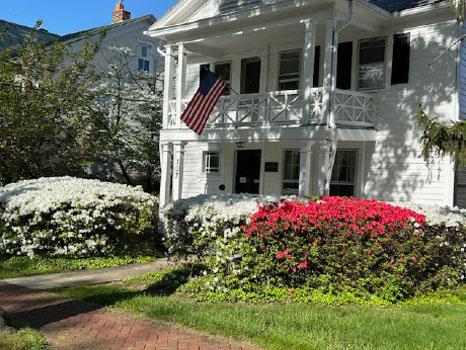
107 N Adams St
Rockville, MD 20850
Call 301-762-7500
 The use of the Internet or this form for communication with the firm or any individual member of the firm does not establish an attorney-client relationship. Confidential or time-sensitive information should not be sent through this form.
I have read and understand the Disclaimer and Privacy Policy.


From our office in Rockville, the Law Offices of Mallon Snyder serves clients throughout the surrounding areas, including Montgomery County, Prince George's County, Frederick County, Howard County, the District of Columbia, Aspen Hill, Beltsville, Bethesda, Bowie, Chevy Chase, Clarksburg, College Park, Frederick, Gaithersburg, Germantown, Glenmont, Greenbelt, Langley Park, Laurel, Montgomery Village, North Bethesda, Olney, Potomac, Silver Spring, Takoma Park, Urbana, Upper Marlboro, Columbia, MD, Washington DC, and Wheaton.
Results listed are not a guarantee or indication of future case results.
107 N Adams St, Rockville, MD 20850
301-762-7500
